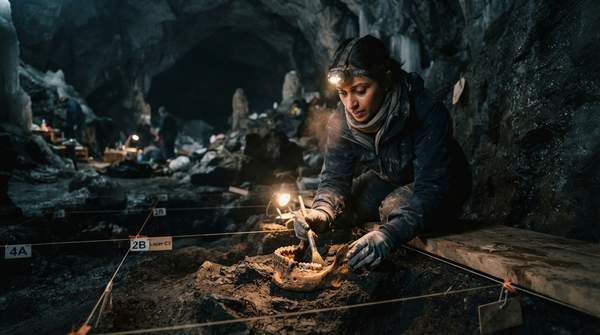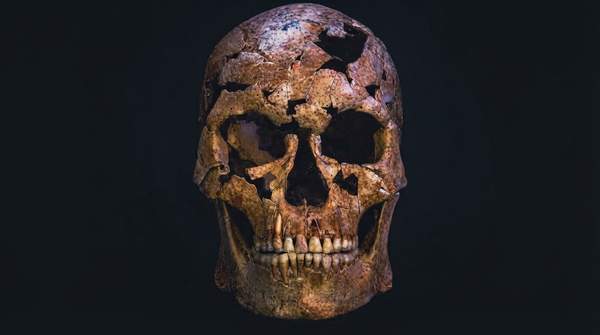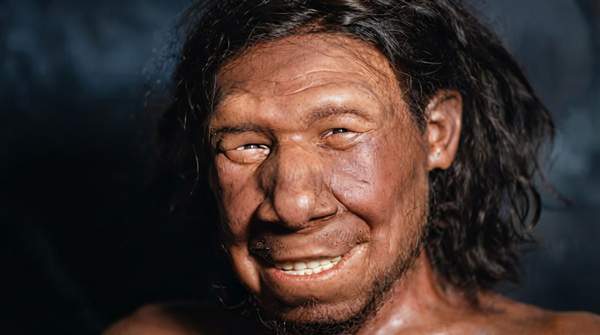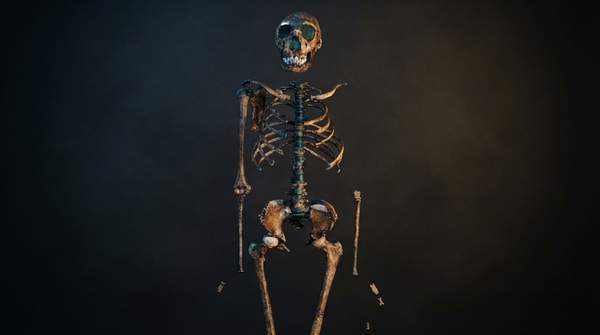
When Kamoya Kimeu uncovered a weathered skeleton on the west side of Kenya's Lake Turkana in 1984, paleoanthropology gained something it had never had before: a nearly whole Homo erectus. Known as Turkana Boy and catalogued as KNM-WT 15000, the roughly 1.6-million-year-old youth remains the most complete early human skeleton on record, and that completeness is precisely why he matters. From his bones, scientists reconstructed the species' body size and shape, deduced a growth pace closer to a great ape's than to ours, and traced the anatomy of a life lived entirely on the ground.
The Unprecedented Discovery of Turkana Boy
Before 1984, Homo erectus was known largely in fragments. The Smithsonian Institution's Human Origins Program notes that the classic discoveries—specimens from Java beginning in the 1890s and China's "Peking Man" from the 1920s—were the reference points for the species, and they were far from complete. Then came Nariokotome, in West Turkana, where Kimeu found a young individual the Smithsonian describes as a "strapping youth" who died about 1.6 million years ago. London's Natural History Museum places the skeleton at roughly 1.5 million years old.
Completeness here has a specific meaning. The Smithsonian explains that the skeleton is about 40 percent complete, a figure grounded in bilateral symmetry: because bones from one side of the body mirror the other, missing counterparts can be inferred. Almost all hand and foot bones are absent, yet enough remains to answer questions no single skull ever could. His pelvis shows he was male, and his teeth bracket his stage of life—his second molars had erupted, but not his third, the wisdom teeth—confirming he was not an adult.