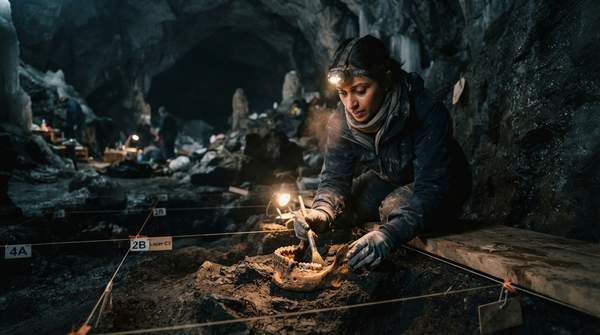
Ancient DNA survives not by luck but by chemistry. It persists when two master variables—temperature and moisture—are low enough to slow the reactions and organisms that shred genetic material after death. Cold, dry contexts such as frozen ground and arid caves preserve recoverable DNA for millennia; warm, wet contexts destroy it, and even where DNA can be retrieved from warmer places, its quality is typically far worse. Understanding that cause-and-effect chain is what allows researchers to predict which contexts, and which bones, are worth sampling.
The Fragile Blueprint: Understanding Ancient DNA Degradation
Once an organism dies, its DNA comes under immediate attack from within and without. The forces at work include intracellular nucleases—enzymes that, no longer confined by intact cell machinery, gain access to the genetic material and cut it apart—and microbes that spread through decomposing tissues. As an educational text on ancient DNA edited by Christina Warinner explains, all recoverable DNA can be lost as these forces work together, unless something intervenes.
That intervention is environmental. The same account notes that under unfavorable circumstances for degradation—specifically when tissues freeze or dry out quickly after death—these destructive processes slow down before the organism's endogenous DNA is completely destroyed. Preservation, in other words, is not the presence of a protective substance but the absence of the conditions that destruction requires. Time alone, moreover, is a poor predictor: damage accumulation depends heavily on where remains lie, not just how long they have lain there.
Biochemical Pathways of DNA Decay
The destruction of ancient DNA proceeds through several identifiable chemical pathways. Foremost among them is hydrolytic attack, in which water molecules participate in reactions that break the bonds holding the DNA molecule together. Closely linked is depurination, the loss of purine bases from the DNA strand, which weakens the backbone and leads to strand breaks. Both processes are water-dependent reactions, which is why moisture is so consequential.
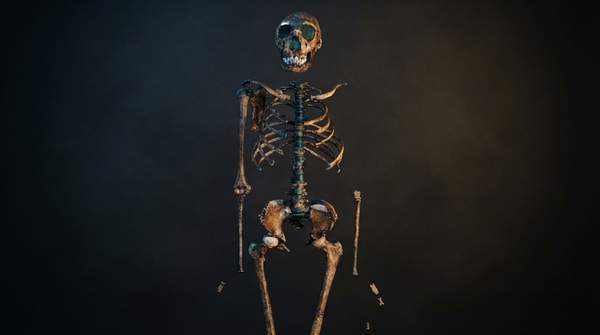
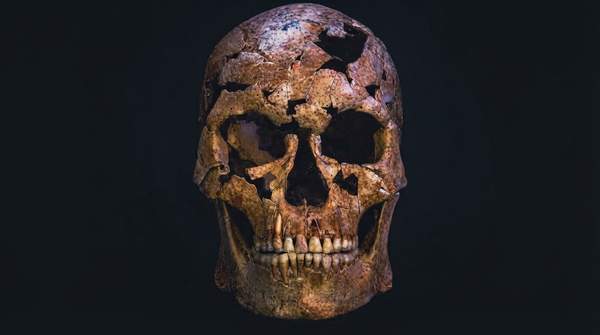
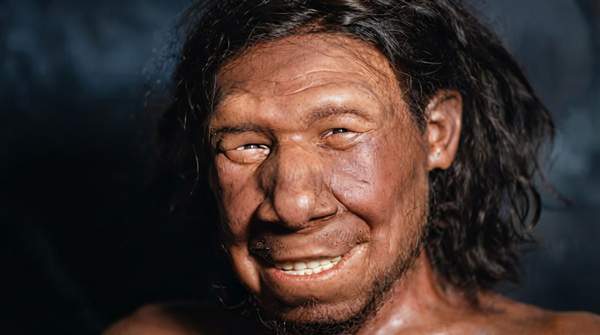
A further signature of molecular decay is cytosine deamination, a chemical modification of the base cytosine. Warinner's introductory text illustrates the point with real damage data: Neanderthal remains from Europe more than 40,000 years old show a terminal substitution rate of 0.45, indicating that roughly 90 percent of the original DNA fragments contained damaged cytosines. This measurable, accumulating damage is what distinguishes genuinely ancient DNA from modern contamination—and it accumulates at rates set largely by local conditions rather than by elapsed time.