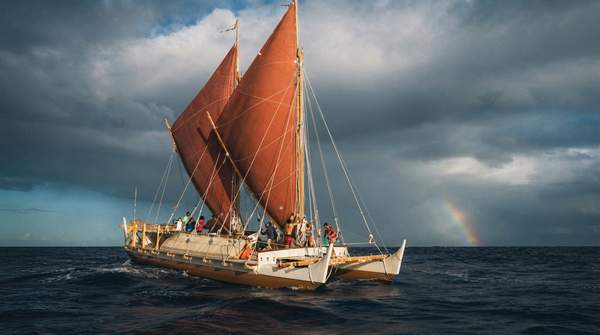
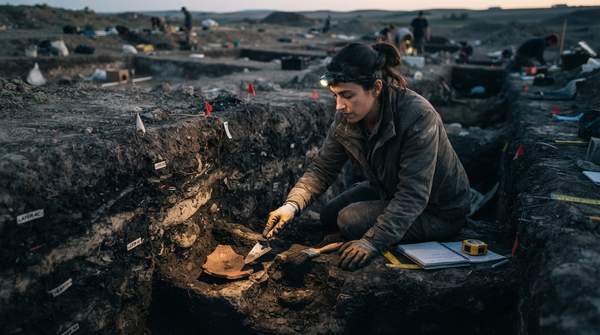
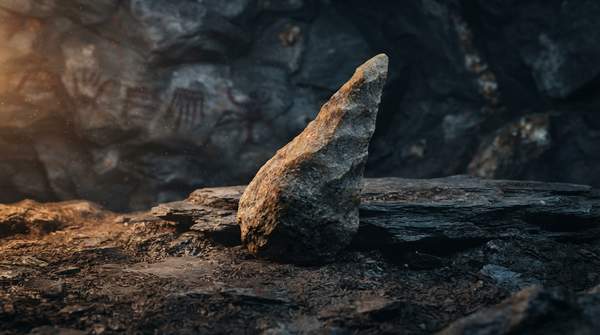
For most of the twentieth century, the story of the first Americans seemed settled: small bands of hunters walked across the Bering land bridge from Siberia, then threaded south through a gap between the great ice sheets. That narrative is now under serious strain. Archaeological sites like Monte Verde in Chile, dated to between 14,500 and 18,500 years ago, show people living far south of the ice long before the inland corridor opened, and genetic studies point to a single founding population that entered the Americas before the Clovis culture appeared. The coastal migration theory—a route by boat down the ice-free Pacific shoreline—has moved from fringe speculation to a leading explanation.
Ice-Free Corridor or Pacific Coast? Why the First Americans May Have Come by Boat
The traditional Ice-Free Corridor theory for the first Americans is challenged by new evidence suggesting a Coastal Migration route by boat was viable much earlier. Archaeological, geological, and genetic data now strongly support people arriving south of the ice sheets before the inland passage opened.
EO
Dr. Elena Ortiz
October 20, 2026 · 5 min read