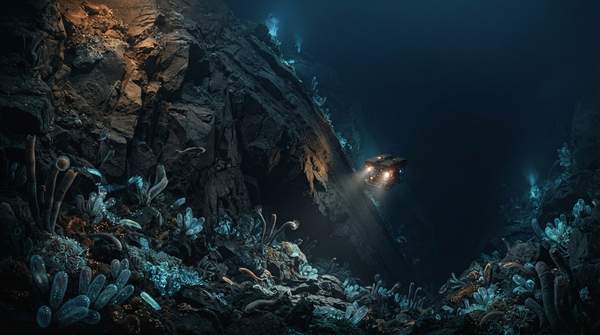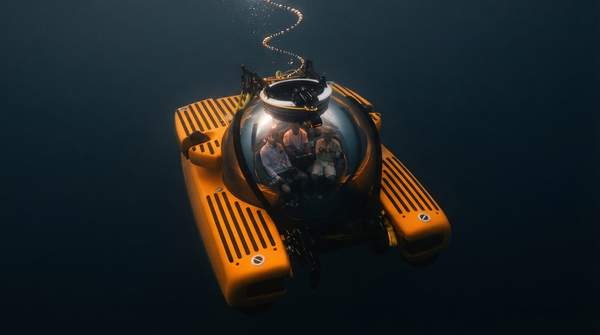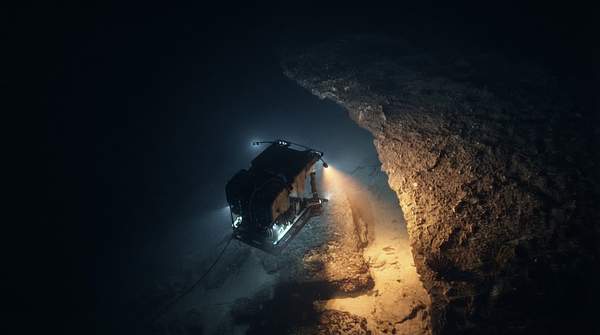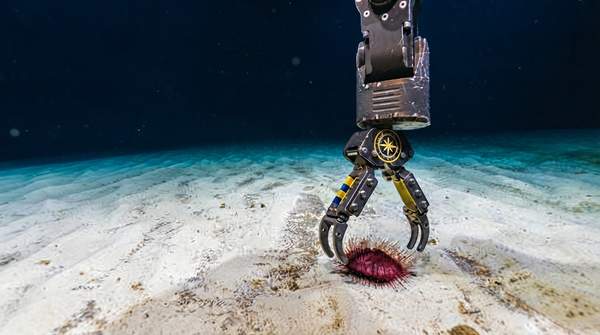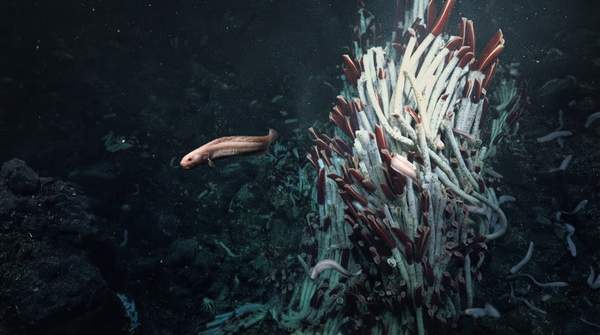
Chemosynthesis is the process by which microbes manufacture their own food using energy released from chemical reactions rather than energy from sunlight—and it is the reason thriving animal communities exist in the pitch-black depths of hydrothermal vents and cold seeps. The key to understanding these ecosystems lies in a distinction most general overviews skip: vents and seeps are powered by different chemistry. At hydrothermal vents, bacteria primarily oxidize hydrogen sulfide; at cold seeps, microbes tap methane rising through the seafloor. Same fundamental trick, two different fuels.
Introduction to Chemosynthesis: Life Without Sunlight
When explorers first observed a hydrothermal vent on the deep-ocean floor in 1977, they found a thriving community where there was no sunlight, according to NOAA Ocean Exploration. Surrounding the hot fluid spewing from the seafloor were giant tubeworms and several animal species new to science, all flourishing in total darkness. The Deep Ocean Education Project explains that chemosynthetic microbes—bacteria and archaea—form the base of the food webs at both hydrothermal vents and cold seep sites discovered around the globe since.
The parallel with photosynthesis is instructive but incomplete. Photosynthesis uses light energy to convert carbon dioxide and water into sugar; chemosynthesis uses chemical energy to fix inorganic carbon into food. But there is a crucial difference beyond the energy source: as the Deep Ocean Education Project notes, there is not one chemical pathway that defines chemosynthesis. Different chemosynthetic microbe species inhabit vent and seep communities, each harnessing energy from the chemical-rich waters emerging from these seafloor features through its own pathway. That plurality is exactly why vents and seeps support distinct versions of the same deep-sea miracle.