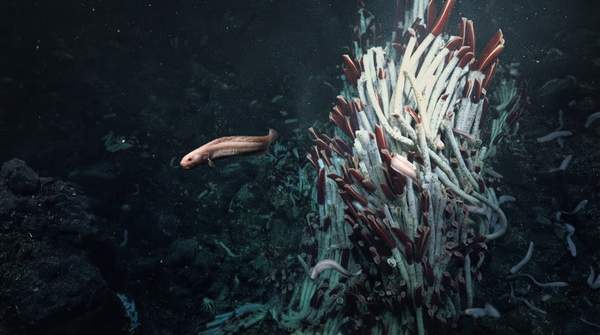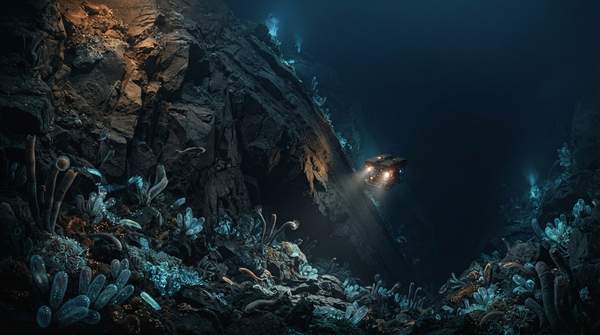
Deep-sea trenches form where one tectonic plate slides beneath another, a process called subduction. The bending seafloor creates long, narrow, V-shaped depressions that plunge deeper than any other part of the ocean. In these hadal depths, water pressure exceeds anything at the surface, light never penetrates, and yet life persists—sustained by organic debris sinking from above and by chemical energy leaking from the seafloor itself. Understanding how a geological collision produces a biological frontier is the key to understanding why these places matter.
What Are Deep-Sea Trenches?
Trenches are the deepest features of the ocean floor, and they define the hadal zone—the realm of extreme depth named after Hades. According to the Woods Hole Oceanographic Institution, the vast submarine slopes and steep walls of trenches make up much of this zone, where habitats extending across a range of depths host a diverse number of species, many of which are new or still unknown to science. A scientific review of the deepest parts of the world's oceans notes that these zones comprise only about one percent of the world's seafloor surface area, yet they are key hinge points of the Earth system. Although other geological features reach comparable depths, such environments are almost exclusively confined to the ocean's 37 deep-sea trenches.